Buying guide
Choosing a Carpet: The Complete Buyer's Guide
Eight pile types, two fibre families and a dozen room-by-room trade-offs — here's how to cut through it and pick a carpet you won't regret in eighteen months.
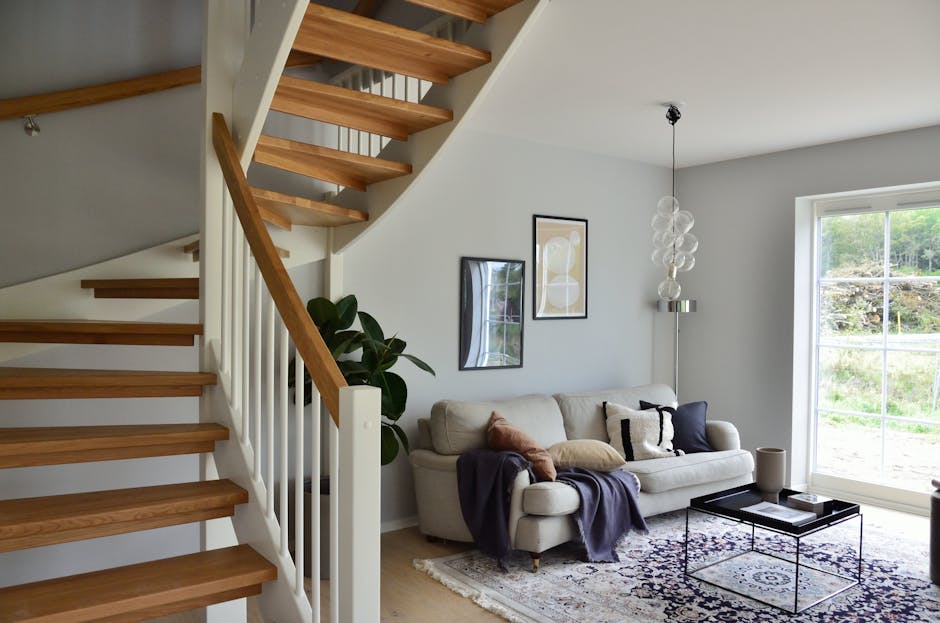
Start With How the Room Is Used
Before you look at a single sample, work out what the carpet actually has to survive. A bedroom used by one adult sees a fraction of the footfall of a hallway shared by a family and a dog, and the right carpet for each is genuinely different, not just a different colour of the same product. Traffic, moisture, sunlight and how often the room gets cleaned all shape the decision before price or looks come into it.
- Hallways, stairs and landings — prioritise durability and a forgiving pattern over softness.
- Living rooms — balance comfort with enough resilience for daily use and furniture.
- Bedrooms — softness and warmth can take priority since footfall is lighter.
- Home offices — a firmer, low-pile carpet or carpet tiles cope well with chair castors.
- Kitchens and bathrooms — carpet isn’t the right material at all here; see sheet vinyl or luxury vinyl tiles instead.
The Eight Pile Types, In Plain English
Every carpet we fit falls into one of eight families, and each has a genuine sweet spot rather than being simply “good” or “bad”. Read the full guide for any of these to see construction, feel, wear and room suitability in detail — the summary below is enough to shortlist two or three worth getting samples of.
As a rule of thumb: twist and loop piles are the durability workhorses, saxony is the softness specialist, berber trades a bit of formality for brilliant stain-hiding flecks, wool sits above all three synthetics on quality and price, and carpet tiles solve a completely different problem — practicality in a working room rather than a living space.
Wool vs Synthetic: Which Fibre Suits You
This is the decision that shapes budget more than any other single choice. Synthetic fibres — polypropylene, polyester and nylon — are what most twist pile and berber carpets are made from, and modern ranges come with genuinely good stain-resist treatments built in. They’re more affordable, resist ground-in dirt well, and — with polypropylene especially — shrug off spills that would trouble a natural fibre.
Wool is the natural-fibre option, and it earns its higher price with genuine bounce-back — the crimped fibre resists crushing and matting far better than synthetics of a similar weight, so it tends to look newer for longer under the same footfall. It’s also naturally flame-resistant and feels noticeably warmer underfoot. The trade-off is cost and slightly less resistance to a really stubborn, ground-in stain, though most modern wool ranges include a protective treatment that closes much of that gap.
A simple way to decide
If budget is the main constraint or the room takes heavy, everyday punishment, a good synthetic twist or loop pile is the sensible call. If you’re carpeting a long-term family home and want the best the room can look and feel in ten years’ time, wool is worth the premium — particularly in a lounge or main bedroom where you’ll notice the difference daily.
Weight & Density: Reading the Numbers
Carpet retailers often quote a pile weight in grams per square metre (gsm) — broadly, the higher the number, the more fibre is packed into the carpet and the better it should wear. It’s a genuinely useful figure for comparing two carpets of the same construction, but it isn’t the whole story: a tightly twisted, lower-weight yarn can outwear a looser, heavier one, which is why durability rating and fibre type matter alongside the raw number.
Density matters just as much as weight — a carpet where the tufts are packed closely together resists matting and crushing better than one with the same weight spread more thinly. A rough test on a showroom sample: bend a corner back on itself; if you can easily see the backing through the pile, it’s a lower-density carpet better suited to a lighter-traffic room than a busy hallway.
Always Get Samples Before You Commit
Carpet colour shifts noticeably under different lighting — a shade that looks warm and neutral under a showroom’s bright lighting can read completely differently under your own ceiling lights at night, or beside a north-facing window during the day. Take a proper sample (not just a swatch photo) home and look at it morning, afternoon and evening before you order anything.
It’s also worth walking on a sample barefoot if you can — pile feel is genuinely hard to judge from a photograph or a small swatch in a shop, and it’s the one thing you interact with daily once the carpet’s down. If a retailer won’t send a decent-sized sample, that’s worth treating as a small red flag in itself.
Matching Carpet to Budget
Once you’ve shortlisted a pile type and fibre, the last variable is grade within that range — most of our carpet ranges span budget, mid and premium tiers at meaningfully different price points per square metre. Our carpet cost guide breaks down exactly what you’re paying for at each tier, and the carpet cost calculator lets you price up your actual rooms against real supply-and-fit rates in a couple of minutes, so you can see where your shortlist lands before you commit to anything.
Once you’ve picked your carpet, the underlay underneath it matters almost as much — our underlay guide and underlay picker tool cover grades and pricing, and a proper carpet fitting job always accounts for both together rather than treating underlay as an afterthought.
Frequently Asked Questions
What's the single biggest factor in choosing a carpet?
How the room is actually used, before anything else. A carpet that looks perfect in a showroom can be the wrong choice entirely if it goes into a hallway used by three kids and a dog — durability and forgiveness matter more than finish in high-traffic rooms, while a rarely-used adult bedroom can prioritise softness and looks instead.
Is wool always better than synthetic carpet?
Not always — it's better on several measures (bounce-back, warmth, natural stain resistance) but costs more and is slightly less forgiving of ground-in dirt than a stain-treated synthetic. For a hard-working family hallway on a budget, a good twist-pile synthetic can be the more sensible choice than an expensive wool carpet that gets no special care.
Does a heavier carpet always mean better quality?
Generally, yes — weight (usually shown as pile weight in grams per square metre) is a genuine indicator of how much fibre is in the carpet and how well it will wear. But it's not the only factor: twist level, fibre type and backing quality all matter too, so use weight as one data point alongside durability rating and price, not the whole story.
Can I mix carpet types across one house?
Absolutely, and most households do. A durable twist pile or loop pile in the hallway and stairs, something softer like a saxony in the bedrooms, and perhaps carpet tiles in a home office is a completely normal specification — just tell us the mix when you request a quote so we can price and order each room correctly.
More Guides & Tools
Still Not Sure Which Carpet Is Right?
Tell us the room and how it's used and we'll talk you through the best options — no pressure, no obligation to book.